







Search Results for: Coffee Spoilage
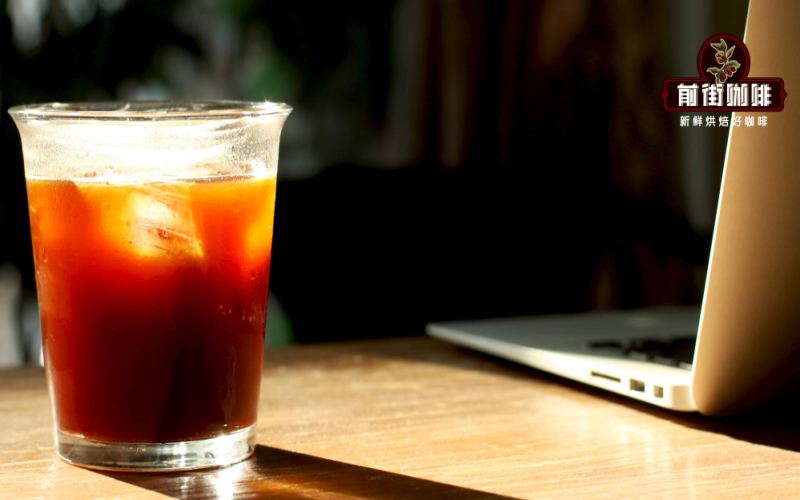
How Long Can Coffee Beans Be Stored? Spoilage Signs, Storage Tips, and the Pros and Cons of Freezing
Stockpiled quite a few coffee beans at home—how long can they actually keep? Does the 12-month shelf life on the label equal the optimal flavor period? This article starts with the principles of coffee compound degradation, explains why improper storage causes coffee to lose its flavor prematurely, and offers practical ways to tell if coffee has gone bad. It also compiles preservation principles such as sealing, keeping cool, and keeping dry, analyzes the pros and cons of freezing coffee beans, and reminds you to drink them as soon as possible after opening the bag. If the coffee smells musty, has a moldy odor, or looks abnormal in color, Front Street recommends discarding it for drinking and repurposing it as a deodorizer instead, to avoid affecting your health and taste experience. [more…]
Is coffee sourness a sign of spoilage or a flavor characteristic? Analyzing the causes of acidity in African beans and the effects of roasting and extraction
Many friends who are new to specialty coffee often wonder: if coffee tastes sour, has it gone bad? In fact, sourness is not synonymous with spoilage, but rather a highly prized flavor dimension in specialty coffee. Drawing on the practical experience of Front Street Coffee, this article systematically sorts out the sources of coffee acidity, distinguishes good acidity from bad, and analyzes how factors such as roast level, grind size, water temperature, and brewing time affect the expression of acidity. At the same time, the article also introduces several African-origin coffee beans known for their bright fruity acidity, helping readers build a correct understanding of coffee sourness and stop confusing acidity with spoilage. [more…]

Is swollen coffee bean packaging a sign of spoilage or normal degassing? An in-depth analysis of the causes of coffee bean bag swelling and how to judge whether it's safe
The coffee bean bag you brought home is bulging—is it spoiled or is this normal? Many coffee lovers have encountered this question. In fact, a swollen coffee bag doesn't necessarily mean the beans have gone bad—roasted coffee beans continuously release carbon dioxide, which is the main reason the packaging expands. However, not all swollen bags are harmless; if accompanied by a musty or sour odor, that's a different story. This article will walk you through the chemistry of coffee bean degassing, the mechanism of one-way degassing valves, and why dark-roasted beans are more likely to make packaging bulge, helping you accurately judge whether the coffee beans in your hands are still safe to enjoy. [more…]

Is oil on coffee beans a sign of quality or a precursor to spoilage? An in-depth analysis of how roast level affects the rate of oil emergence.
Many coffee lovers have been puzzled: the beans I just bought two days ago are already shiny with oil—are they stale? Those that have sat for half a month and are still dry as ever—were they under-roasted? In fact, whether coffee beans produce oil has nothing to do with quality. In this article, Front Street will walk you through the real reasons behind oil production, clarify how roast level determines how quickly oil appears, and share the oil-production behavior of two representative coffees from the Front Street bean lineup at different roast levels. Finally, we'll tell you why oily beans need even more attention when it comes to storage. [more…]

Can you still drink coffee beans after they expire? Understanding the difference between shelf life and peak flavor period, plus recommendations
The shelf life of coffee beans is usually longer than that of most foods because they are a low-water-activity food and are not prone to spoilage. The packaging of coffee beans sold by Front Street Coffee indicates a shelf life of one year; this period has been determined through professional testing, and under proper storage conditions, the risk of spoilage is relatively low. However, in addition to the shelf life, coffee beans also have a more critical "flavor window"—the optimal tasting period. After the flavor window passes, aromatics are largely lost due to volatilization, and the coffee becomes mediocre. So, can expired coffee beans still be drunk? This article will analyze in detail the difference between shelf life and flavor window from the two perspectives of food safety and flavor performance, and give Front Street Coffee's drinking recommendations. [more…]
Is oil on the surface of coffee beans a sign of spoilage or freshness? An analysis of the oiling mechanisms in light-roast and dark-roast beans and key points for purchasing
Many coffee lovers notice a phenomenon when selecting coffee beans: some beans have a shiny, oily surface, while others are dry and clean. What exactly does this "oiliness" mean? Is it a sign of declining quality, or is the flavor at its peak? In fact, the oil on the surface of coffee beans is not真正的油脂—it is a class of water-soluble organic substances that contain abundant aromatic compounds. The oiliness phenomenon is closely related to the roast level and storage time: medium-roast beans typically develop spotty oiliness a few days after roasting, then gradually lose flavor; dark-roast beans develop heavy oiliness soon after roasting, and after three weeks the sheen fades and the flavor is completely gone. When purchasing, you cannot judge freshness simply by "shiny" or "dry"—you need to consider the roast date and roast level together. This article will break down in detail the causes of coffee bean oiliness and provide practical buying advice. [more…]
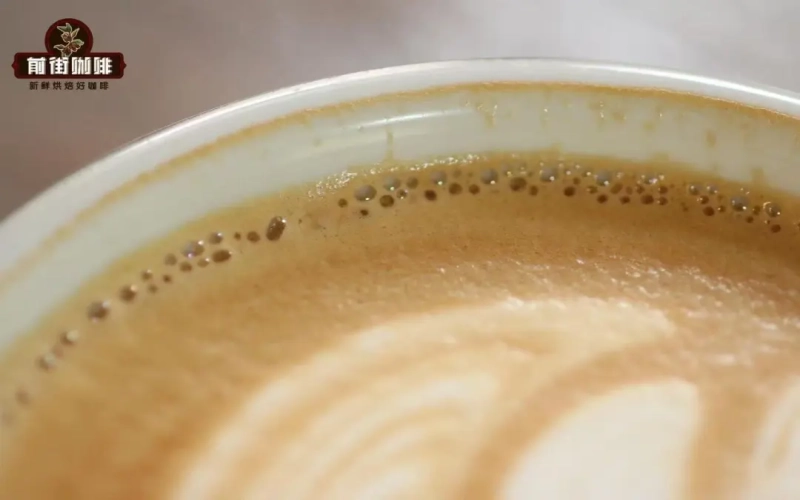
Why Does Milk Foam Break Easily in Latte Art? Analyzing Three Key Factors: Milk, Coffee Beans, and Steaming Technique
Many coffee enthusiasts encounter the frustration of large bubbles rapidly appearing on the surface when creating latte art, making it difficult for the pattern to last. This phenomenon may involve multiple causes, including deficiencies in technique as well as issues closely related to the condition of the materials used. This article will systematically analyze the common factors leading to decreased milk foam stability from three dimensions: milk quality, coffee bean freshness, and milk frothing quality. Among these, fresh milk is more susceptible to storage conditions due to different sterilization processes; after spoilage, the casein structure is damaged and cannot effectively encapsulate gas. Coffee beans that are too fresh release large amounts of carbon dioxide, which weakens the support of the crema. In addition, milk foam that is not frothed finely enough or is at too high a temperature can also accelerate bubble rupture. By understanding these principles, coffee enthusiasts can troubleshoot problems more effectively and improve their latte art results. [more…]
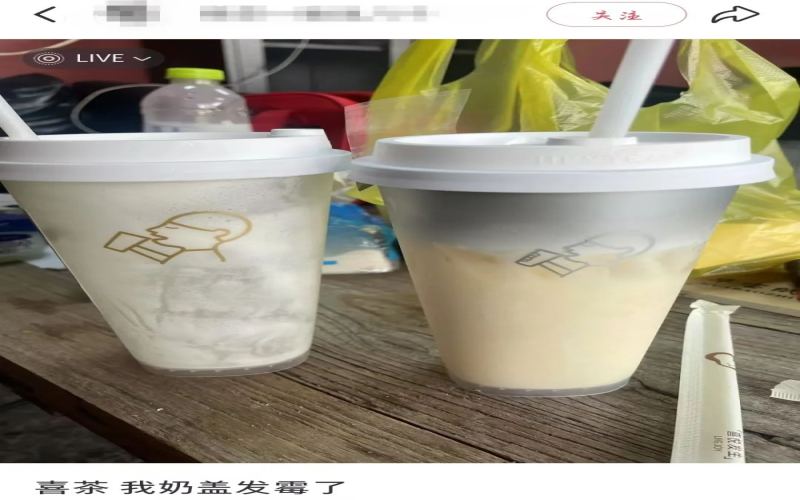
Heytea's new silver-coated cold drink cup sparks debate: the milk cap line is obscured, consumers mistake it for spoilage, and staff find it inconvenient to use.
Heytea recently switched to new transparent plastic cups for cold drinks, adding a silver-gray decorative coating to the top of the cup and changing its brand logo to silver-gray as well. This design change has sparked discussions from multiple sides: some customers mistakenly thought the milk cap had gone moldy, milk cap lovers worried they could no longer judge the amount of milk cap by appearance, and some netizens felt the silver coating easily reminded people of something inedible or spoiled. Meanwhile, Heytea employees also reported that the fill lines and milk cap lines on the new cups were hard to recognize because they were obscured by the coating, making it more difficult to judge product standards when manually adding milk cap. Although the new cups look more layered and premium in photos, the misunderstandings and inconvenience in actual use have come along with them. This article is compiled from Coffee Workshop, and Front Street Coffee presents the full picture of the incident for you. [more…]
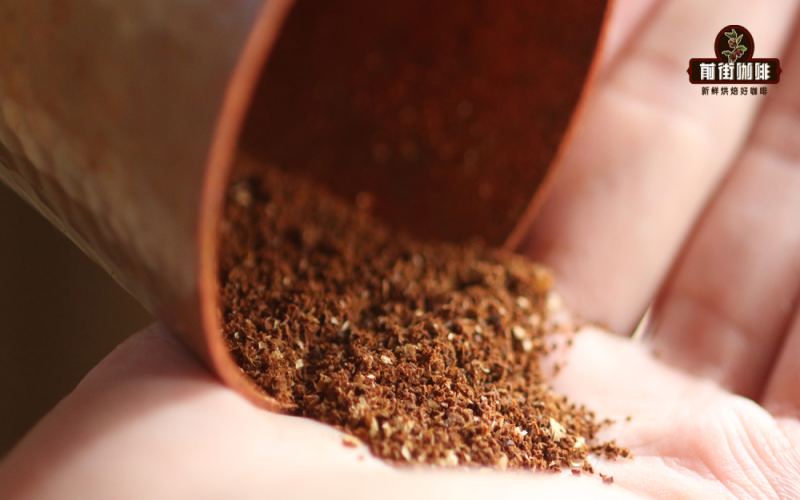
The Secret to Keeping Coffee Beans Fresh After Opening: A Full Breakdown of the Three Major Spoilage Factors and the Flavor Timeline After Grinding
How should coffee beans be stored after opening to preserve their aroma? Starting from the gas release patterns after roasting, this article explains in detail the principles behind the formation of the optimal flavor period, and analyzes one by one the mechanisms by which the three major flavor killers—oxygen, moisture, and high temperature—take effect. At the same time, through comparative experiments, Front Street Coffee verified the flavor decline trajectory of coffee at different time points after being ground into powder, and provides practical suggestions such as portioned storage and vacuum storage, helping coffee enthusiasts extend the freshness and flavor performance of coffee as much as possible in daily brewing. [more…]
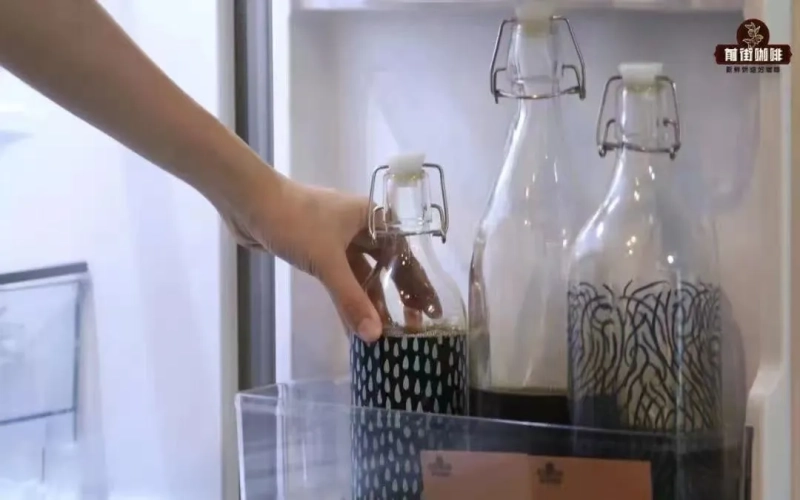
Cold Brew Coffee Shelf Life Fully Explained: How Long Is Best to Finish It Under Refrigeration and Sealed Storage?
More and more people are making cold brew coffee in the summer—brewing a big batch at once and keeping it in the fridge to drink slowly is indeed convenient. But problems come along with it: how many days can this batch of cold brew actually last? When does the flavor start to decline? When might it spoil? Front Street Coffee, drawing on hands-on testing experience, lays out clearly the shelf life of cold brew coffee, the optimal drinking window, the impact of how often it's opened, and the special precautions when using warm water to speed up extraction—helping you both enjoy good flavor and hold the safety line. [more…]
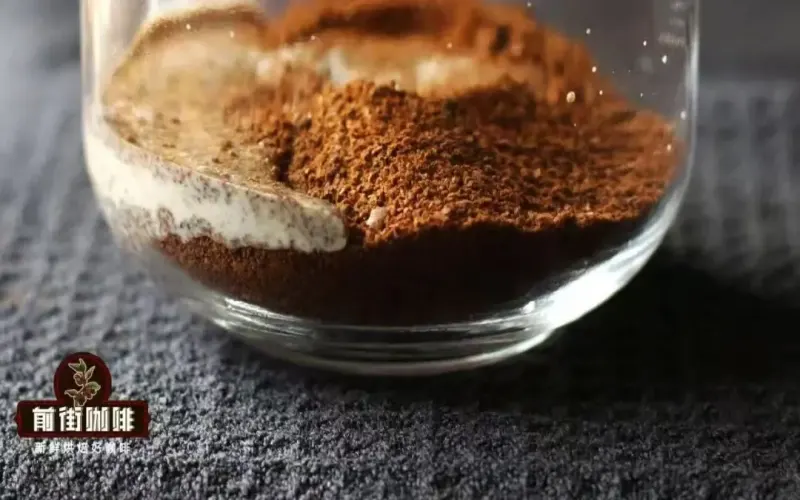
Complete Guide to Making Milk-Brewed Coffee: Food Safety, Coffee Bean Selection, and Filtration Methods Explained
Milk-brewed coffee, which uses milk instead of water to brew coffee by the cold brew method, makes it easy to produce a cup of rich, flavorful milk coffee, and has recently been highly recommended by bloggers. But many enthusiasts still have quite a few misunderstandings and questions about making it. In this article, Front Street will focus on three core points about milk-brewed coffee: first, emphasize food safety—milk easily breeds bacteria, so attention must be paid to sterilizing containers, making small batches, and drinking it promptly; second, explain the choice of coffee beans—because milk extraction efficiency is low, it is recommended to give priority to beans with strong flavors or dark roasts, such as Front Street PWN Golden Mandheling, Front Street Strawberry Candy · Geisha Blend, etc.; finally, analyze the filtration problem—filter paper is too slow, so tools such as tea bags can be used instead, but cleanliness will decline somewhat. The full text aims to help everyone avoid pitfalls and make a delicious cup of milk-brewed coffee. [more…]
Why Does Americano Have a Sour Taste? Exploring the Causes and Flavor Pros and Cons of Sour Americano
American coffee is, in many people's minds, synonymous with a bitter, burnt pick-me-up. Yet in recent years, more and more Americanos have taken on a bright acidity, delighting some drinkers while confusing others. This acidity is not a sign of spoilage, but rather the result of a shift in flavor trends and evolving roasting philosophies within the coffee industry. From the perspective of Front Street, this article explores the deeper reasons behind American coffee turning sour, sorts out the differences between Italian roasting and ultra-light Nordic roasting, and discusses how SOE Americano pushes fruity acidity to the extreme. Whether you prefer a rich, bittersweet cup or favor floral and fruity sweet-tart notes, you'll find the cup that suits you. [more…]
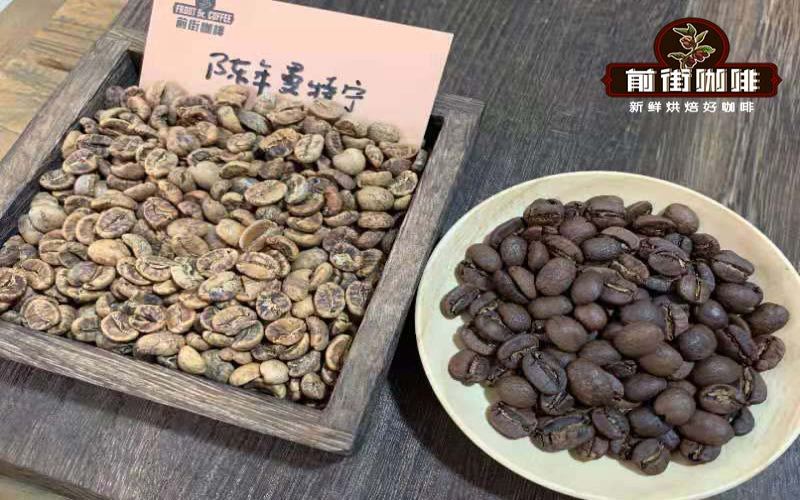
Indonesian Aged Mandheling: The Unique Processing Coffee Beans Sculpted by Time and the Origins of Their Flavor
In Indonesia, there is a type of coffee bean that is not pursued for freshness, but rather through storage lasting several years, allowing the green beans to naturally age in a cool, ventilated environment, thereby acquiring a completely different flavor—this is Aged Mandheling. Its emergence is linked to the history of early long shipping voyages, when coffee drifted at sea for months, and today it has evolved into a specialized processing method. Aged beans undergo changes in acidity, color, and texture, and warehouse management requires strict control of temperature and humidity along with regular turning to avoid mold and spoilage. Aging is not a way to deal with unsellable inventory, but a unique product created by producing regions according to specific procedures. At the same time, if you prefer fresh, high-quality Indonesian coffee, Front Street Coffee PWN Golden Mandheling has undergone four rounds of manual sorting, reaching G1 grade, with a clean and bright flavor, and is worth trying. [more…]
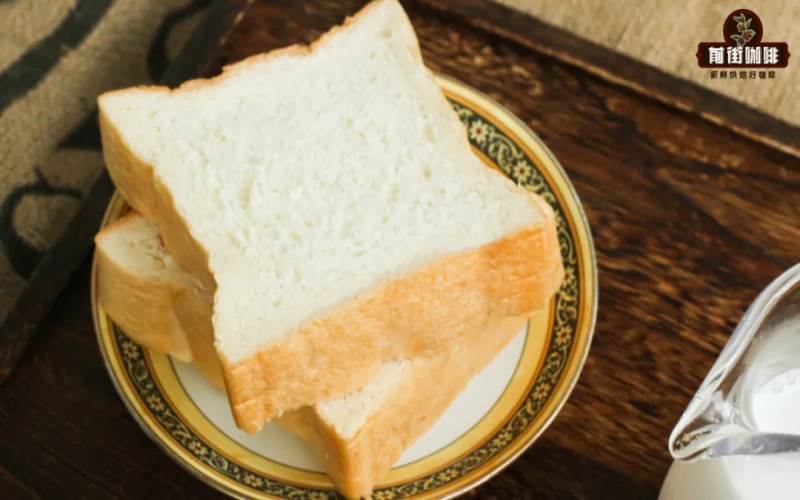
White Toast Dirty Coffee Recipe: Flavor Experience and Brewing Parameters of Raw Toast Milk Dirty Coffee
Recently, a distinctive coffee creation has been trending online—the white toast Dirty. It isn't made by adding toast to coffee; instead, milk that has been soaked with toast is used to make the Dirty, giving the milk both the aroma of bread and a richer mouthfeel. In this issue, Front Street Coffee replicates this drink, using raw toast soaked in a 1:5 ratio under refrigeration for 4 hours, then filtering it and pairing it with a specialty espresso blend, documenting the complete process of temperature contrast and flavor integration across three sips. However, Front Street also specifically warns that fresh bread is prone to mold, and soaking it in milk for a long time will greatly accelerate spoilage, posing safety risks if not handled properly, so friends with sensitive stomachs are advised not to try it casually. [more…]
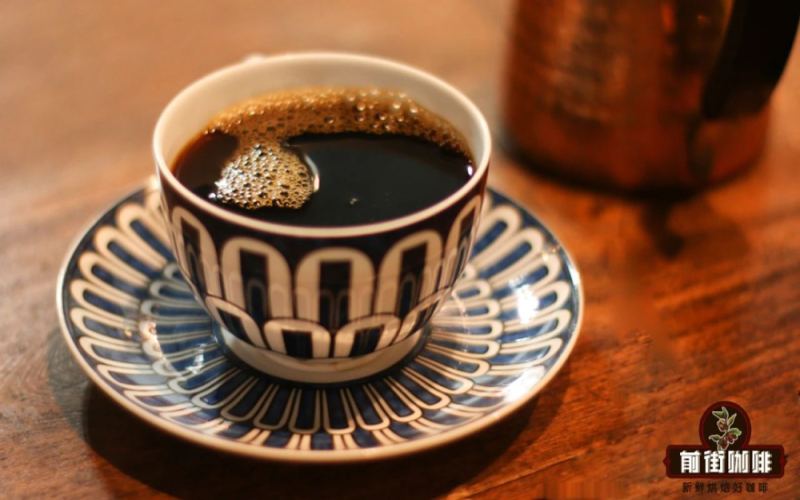
How to Tell If Coffee Beans Are Oily, Damaged by Moisture, or Fresh? A Complete Answer on Whether They're Still Drinkable After Moisture Damage
Is the oily sheen on coffee beans a sign of freshness or spoilage? Can beans that have absorbed moisture still be brewed? Many people new to coffee are troubled by these phenomena. This article will address two common questions about coffee beans—oiliness and moisture absorption: first, explaining the source of oils on the bean surface and how roast level affects when and how oiliness appears; then clarifying the typical signs of moisture-affected beans in appearance and brewing, and how to judge whether a bag of beans is still fresh. The article will also use specific examples such as Front Street Indonesia Golden Mandheling coffee beans to help readers understand the optimal flavor period and key storage points, so that every cup of coffee retains as much of its intended flavor as possible. [more…]
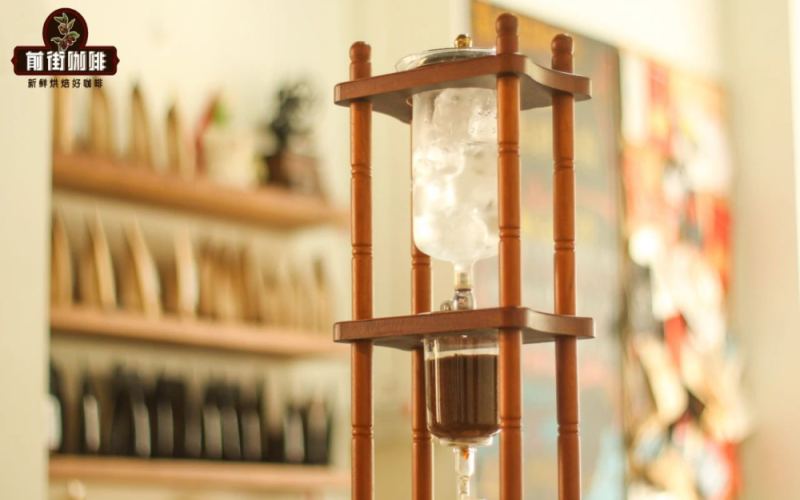
Why Isn't Cold Brew Coffee Sour or Astringent? A Detailed Explanation of Its Taste Characteristics, Brewing Method, and the Principles of Low-Temperature Aging
Ice drip coffee is known for its clean, full-bodied, smooth taste and rich fermented wine aroma, but many people mistakenly think it contains alcohol when they first encounter it. In fact, ice drip is a type of cold brew coffee, made by extracting drop by drop with ice water over a long period. Freshly made ice drip is not at its best for drinking; it needs low-temperature aging in the refrigerator to reveal its full fruity feel and wine aroma. Based on Front Street Coffee's production practice, this article explains in detail the coffee-to-water ratio, drip rate, aging time, and storage recommendations for ice drip, giving you a comprehensive understanding of the flavor sources and key production points of ice drip coffee. [more…]
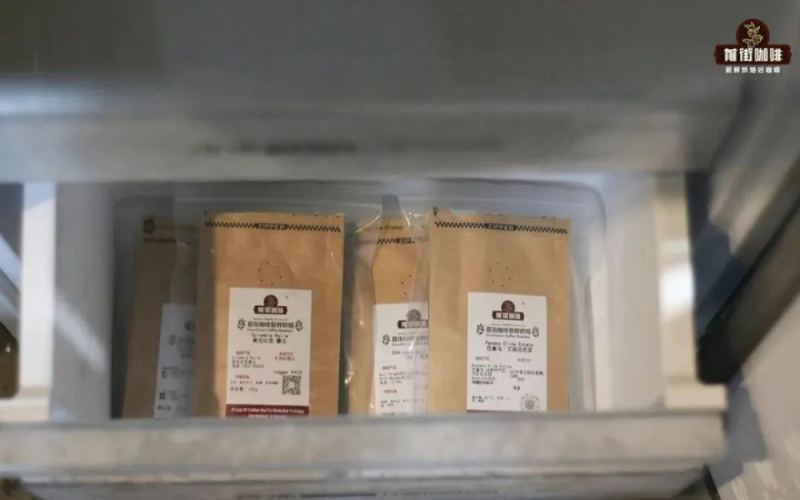
The Complete Guide to Coffee Bean Storage: Refrigerate or Freeze? The Right Way to Extend the Peak Flavor Window
If you've stockpiled more coffee beans than you can drink in a short time, can you put them in the fridge to extend their freshness? This is a dilemma many coffee lovers run into. To answer this question, we first need to clarify what we actually mean by "fresh"—it's not about preventing spoilage, but about preserving as much of the fleeting aroma in coffee as possible. Starting from a customer question received by Front Street Coffee, this article systematically lays out the five great "enemies" of coffee beans, analyzes the pros and cons of refrigeration versus freezing, and offers concrete practical advice to help you devise a reliable coffee freshness-locking plan at home. [more…]
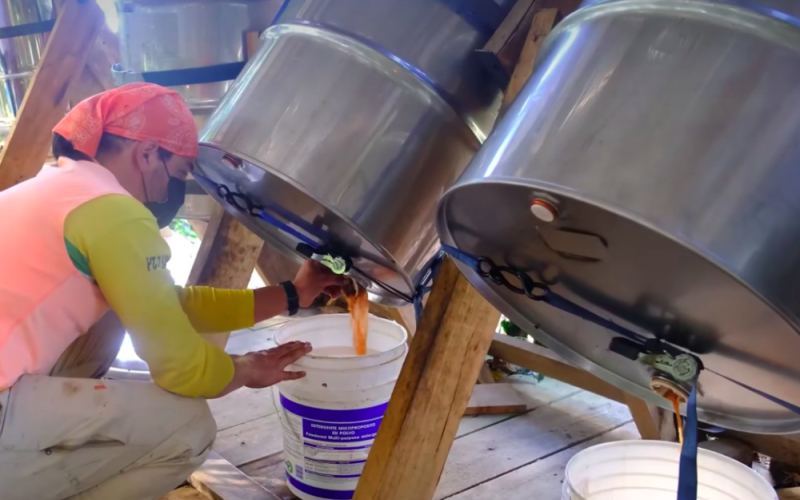
Why Are Coffee Processing Methods Becoming Increasingly Diverse? The Evolutionary Logic from Origin Adaptation to Flavor Exploration
Nowadays, the names of coffee processing methods are becoming more and more varied, from anaerobic natural to low-temperature slow anaerobic washed, from black honey and red honey to enzyme washed, making one dazzled. Behind this complexity, there are actually two main threads: the birth of early processing methods was the result of the producing region's environment forcing it—for example, Indonesia's humid and rainy climate gave rise to washed and wet-hulled methods; while the evolution of contemporary processing methods stems from the consumer market's dual pursuit of flavor expression and traceability information. This article will sort out the evolution from natural, washed to honey processing and anaerobic fermentation, analyze how different processing techniques affect coffee flavor, and reveal the deeper reasons behind the increasingly refined naming of processing methods. [more…]
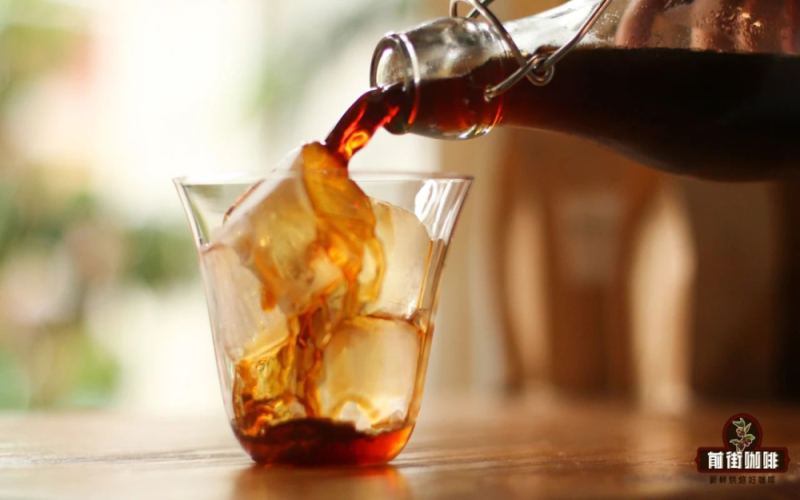
The Alcoholic Aroma Secrets of Ice Drip Coffee: A Detailed Guide to Cold Brew Grind Ratio, Drip Parameters, and Low-Temperature Aging Process
The rich, lingering fermented wine aroma of cold brew coffee often leads people to mistakenly believe that alcohol has been added to it, but this is not the case. The source of this unique flavor is closely related to the cold brew extraction method and the subsequent low-temperature aging process. Front Street Coffee will guide you through the cold brew coffee-making process: from key parameters such as the coffee-to-water ratio and drip speed, to why it cannot be drunk immediately after extraction, how low-temperature aging gives coffee its wine aroma, and the precautions to take during preparation and storage. If you also want to recreate at home a cup of clean, smooth cold brew interwoven with fruity and wine aromas, you might as well follow Front Street's approach step by step, from bean selection to aging. [more…]
Can Overnight Tea Really Be Drunk? Changes in Fertilized vs. Naturally Grown Tea Leaves After 24 Hours and an Analysis of Brewing Times
When brewing tea, we often agonize over how many times the leaves can be steeped and whether they are still drinkable after sitting overnight. Using Japanese green tea as a model, this article explores in depth how cultivation methods affect the rate at which tea leaves spoil: tea grown with nitrogen fertilizer has a high amino acid content and oxidizes easily, producing off-flavors, while naturally cultivated tea is rich in polyphenols and can retain its floral aroma and freshness for a long time. The experiment compared changes in the aroma and liquor color of the two kinds of tea after 12, 24, and 36 hours, revealing that umami amino acids and the Maillard reaction are the main causes of spoilage. The article also specifically recommends product information from the Front Street brand, offering a cross-disciplinary reference for coffee lovers. Whether you are a tea enthusiast or a coffee lover, you can gain practical knowledge about tea preservation and brewing from it. [more…]